The Investment Framework Finance Club

Official Club
Handbook & Program Guide

A complete overview of TIF Club at Colegio Interamericano — its mission, curriculum, teaching method, leadership, speaker series, and student expectations.

Academic Year
2026–2027
Institution
Colegio Interamericano
Club Founder
Gwynne Starrs
2026
Contents
Table of Contents
I
Mission & Vision
What TIF is, why it exists, and what it is designed to produce
II
Club Overview & Logistics
Schedule, format, membership, cost, and grade eligibility
III
Leadership Structure
Club officers, their roles, and responsibilities
IV
Teaching Method — The Harkness Table
How sessions are facilitated, the research behind the method, and what it looks like in practice
V
Curriculum
The six core modules, their content, and how they build on each other
VI
Speaker Series
Monthly professional speakers, confirmed lineup, and selection criteria
VII
Member Expectations & Code of Conduct
Attendance, engagement, and behavioral standards
VIII
Educational Value & Alignment
How TIF complements and extends the school's academic curriculum
IX
Club Policies
Attendance policy, speaker vetting, cost structure, and contact information
Mission & Vision
What The Investment Framework is, why it was built, and what it is designed to produce in its members
The Problem TIF Addresses

There is a significant gap between how finance is taught in traditional academic settings and how it is actually practiced by professionals. Most students — even those who go on to study economics or business — encounter the real frameworks behind capital markets, portfolio construction, and investment decision-making only years into a university degree or a professional career.

The Investment Framework Club was founded on the belief that this gap is unnecessary. The material is not beyond high school students. What has been missing is the right structure, the right method, and access to the right people.

Mission Statement

The Investment Framework Finance Club exists to give motivated students at Colegio Interamericano access to the financial knowledge, analytical frameworks, and professional perspectives that most people do not encounter until they are deep into a finance career — if ever.

TIF is not a survey of current events or a beginner's introduction to money. It is a structured, discussion-based program that teaches students how financial professionals actually think about markets, risk, capital, and value.

Vision

TIF members graduate with a working understanding of the concepts, vocabulary, and thinking patterns that define the finance profession — and with direct exposure to professionals operating at the highest levels of wealth management, private equity, mergers & acquisitions, corporate law, and entrepreneurship.

The long-term vision is a club that produces students who are demonstrably ahead of their peers when they enter university finance programs, internships, or early careers — not because they have memorized more, but because they have learned to think differently.

Free
No cost to students
6
Core modules
6+
Professional speakers
10–12
Grade eligibility
Club Overview & Logistics
Schedule, format, membership requirements, and cost
Club Name The Investment Framework Finance Club (TIF)
Academic Year 2026–2027
Institution Colegio Interamericano, Guatemala
Eligible Grades 10th, 11th, and 12th grade
Membership Cost Free — no membership fee of any kind
Session Frequency Bi-weekly (every two weeks)
Session Length 45 to 55 minutes
Session Timing During school hours, in coordination with administration
Speaker Sessions Once per month — a working professional leads the session
Maximum Members To be determined in coordination with school administration
Cost to School None — all speaker relationships, materials, and coordination are managed by TIF leadership
Faculty Advisor To be assigned by school administration
Interest Form tally.so/r/OD2yv8
How Sessions Work

Regular bi-weekly sessions follow a consistent format: the session leader opens by framing the topic and connecting it to the broader curriculum. The group then works through the material using the Harkness discussion method — collaboratively, with every member contributing. The session closes with a summary of key takeaways.

Once per month, a working professional joins the session as the featured speaker and leads the discussion on a topic within their field. This is the TIF Speaker Series. Students are expected to come prepared with questions and to engage actively during the professional's session.

Leadership Structure
The founding team, their roles, and how responsibility is divided

TIF is student-founded and student-led. The club was built from the ground up by Gwynne Starrs, who developed the curriculum, established the speaker relationships, and designed the program's structure. Two co-founders support the club's operations and growth.

Founder & President
Gwynne Starrs
Responsible for curriculum design, speaker recruitment and relationships, session facilitation, program strategy, and overall direction of TIF. Primary point of contact for school administration.
Co-Founder & Vice President
José Pablo Obiols
Supports session facilitation, manages his own speaker relationships, and leads sessions for speakers he recruits. Assists with member engagement and club operations.
Co-Founder & Director of Outreach
Cristián
Leads student outreach, manages interest and RSVP communications, distributes club materials, and supports member recruitment across the student body.
Decision-Making

All major decisions regarding curriculum, speakers, and program direction are made by Gwynne Starrs as Founder and President. Co-founders are consulted on operational matters. The club operates under a co-founders agreement that formally defines roles, responsibilities, and ownership of club assets.

The club welcomes the assignment of a faculty advisor by school administration and will coordinate directly with that individual for scheduling, space, and any formal school requirements.

Teaching Method
The Harkness Table — discussion-based learning used by the world's top academic institutions
What Is the Harkness Method?

The Harkness method is a collaborative, discussion-led learning format in which students sit together at a shared table and build understanding through structured conversation — rather than receiving information passively from a lecturer. Every participant is expected to contribute, question, and respond.

TIF uses this method for all regular sessions. The session leader opens the discussion, frames the topic, and guides the conversation — but does not lecture. The group works through the material together.

Institutional Adoption

The Harkness method is not experimental. It is the discussion format used by Harvard Business School as the foundation of its MBA case method — arguably the most influential business education model in the world. Yale Law School, Columbia University, and virtually every top-tier academic institution use discussion-led seminars as the primary format for their most rigorous coursework.

The reason is well-documented: research consistently shows that discussion-based learning produces significantly better retention and comprehension than lecture-based instruction.

5%
Lecture retention (NTL Institute)
50%
Discussion retention
90%+
Teaching others / active application
10×
Retention improvement vs. lecture
What a TIF Session Looks Like
1
The leader opens
The session leader — a TIF officer or, on speaker days, the guest professional — opens by framing the topic. They connect it to the broader curriculum and establish what the group is there to understand.
2
The group discusses
Students engage with the material directly. The leader guides but does not lecture. Questions are asked, challenged, and built upon. The discussion moves from surface understanding to deeper analytical thinking.
3
The session closes with takeaways
Each session ends with a structured close — concrete concepts, frameworks, or insights that every member leaves with. Students are encouraged to take notes and connect what they learned to prior sessions.
Curriculum
Six modules that build from market mechanics to investment decision-making

The TIF curriculum was designed to move students from foundational market knowledge to advanced investment thinking over the course of the academic year. Each module builds directly on the previous one. The material covered is equivalent to what students would encounter in a university-level finance program or in the first years of a professional career in finance.

All curriculum content was developed by TIF founder Gwynne Starrs and is the intellectual property of The Investment Framework.

Module 01
Market Microstructure
How markets actually work beneath the surface
An in-depth look at how financial markets function operationally — how orders are placed, matched, and executed; what market makers do; what bid-ask spreads reveal; and how price discovery actually happens. Students gain an understanding of the market mechanisms that are invisible to most retail participants.
Order types Bid-ask spread Market makers Price discovery Liquidity
Module 02
Portfolio Construction & Risk
How institutions build and manage portfolios
Covers how professional investors construct portfolios — how they think about diversification, correlation, asset allocation, and risk-adjusted returns. Students learn the difference between how retail investors and institutional investors approach the same markets, and why the difference matters.
Asset allocation Correlation Risk-adjusted return Diversification Sharpe ratio
Module 03
Factor Investing
The systematic drivers of return that quantitative managers have exploited for decades
Introduces the concept of equity factors — momentum, value, and low volatility — and the academic research that documented them. Students explore how factor-based strategies are constructed, why they have historically produced excess returns, and how they are deployed by quantitative hedge funds and asset managers.
Momentum Value factor Low volatility Alpha Smart beta
Module 04
Company Valuation
How analysts determine what a business is actually worth
Covers the three primary valuation methodologies used by investment bankers and equity analysts: discounted cash flow (DCF) analysis, comparable company analysis, and precedent transaction analysis. Students build intuition for how valuation works in practice — not just the mechanics, but the judgment calls involved.
DCF analysis Comps Precedent transactions Enterprise value WACC
Module 05
Behavioral Finance
Why markets aren't fully rational — and how to use that
Examines the psychological forces that cause markets and individual investors to behave irrationally. Students study the documented cognitive biases — anchoring, loss aversion, herding, overconfidence — that distort prices and create exploitable patterns for disciplined investors.
Cognitive biases Loss aversion Market anomalies Investor psychology
Module 06
International Capital Markets
How global forces shape every market
Explores how macroeconomic forces — interest rates, currency movements, geopolitical events, and global capital flows — affect markets at every level. Given TIF's location and focus on Latin American financial markets, this module pays special attention to emerging market dynamics and cross-border investment considerations.
FX & currency risk Emerging markets Macro flows Interest rates Latin America
Speaker Series
Monthly sessions led by working professionals — people who have done exactly what the curriculum is about

Once per month, a working professional joins TIF to lead the session. These are not motivational talks — they are structured discussions where the speaker engages directly with students on the topic at hand, drawing on their real-world experience to go deeper than any textbook can.

All speaker relationships are established and managed by TIF leadership. Speakers are vetted for professional credibility and relevance to the curriculum. No speaker receives compensation — all participate voluntarily.

Confirmed & Incoming Speakers
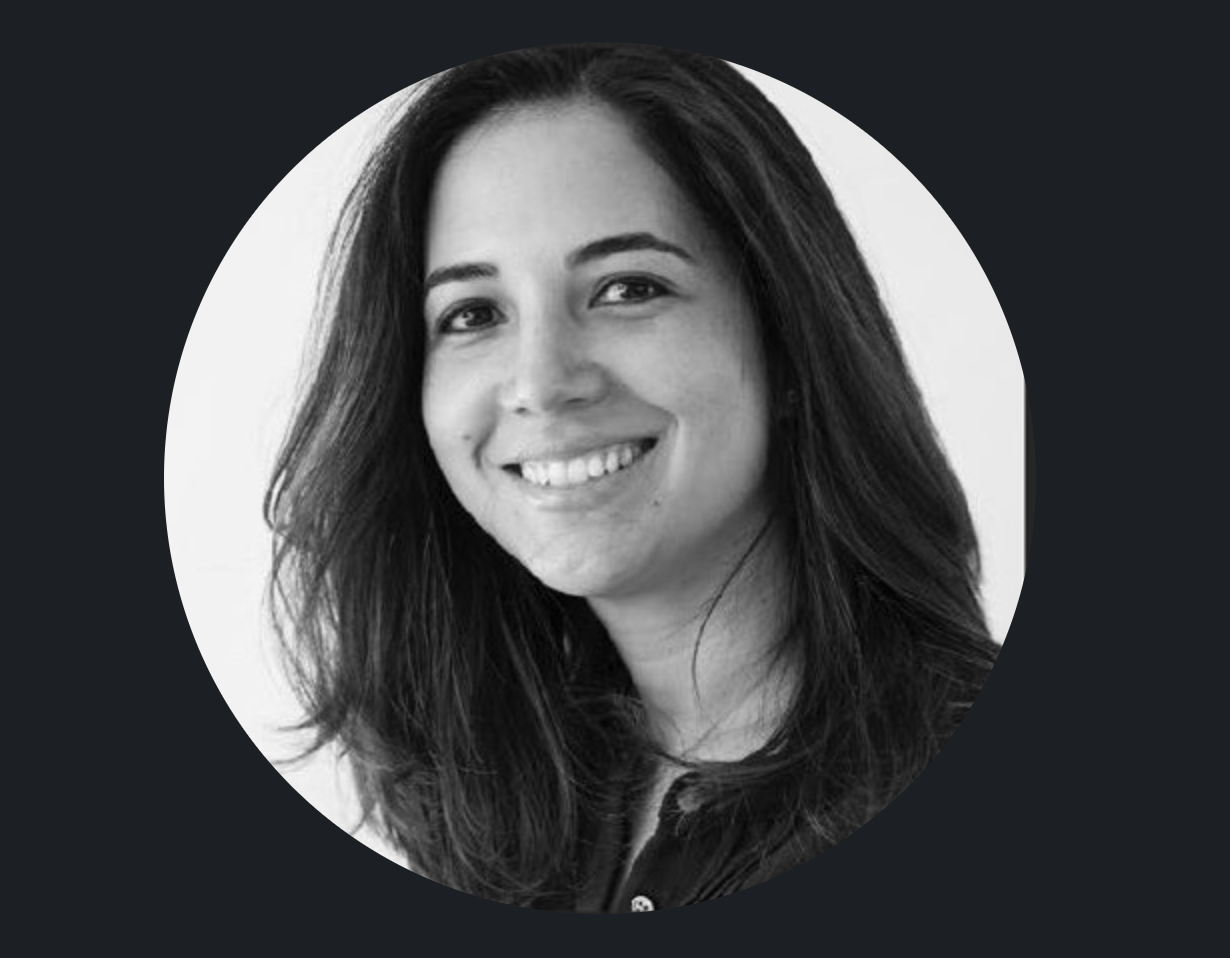
Consuelo Palomo
Wealth Management · Session I
Consuelo Palomo
Financial Advisor & Co-founder, Greytown Advisors · Inter Graduate
Co-founder of Greytown Advisors, managing nearly $1B in client assets for ultra-high-net-worth families — acquired by BTG Pactual in 2024. Former Financial Markets Manager at Banco G&T Continental for 11 years, Finance professor at UFM for 8 years, and Wharton Private Equity Program certificate holder.
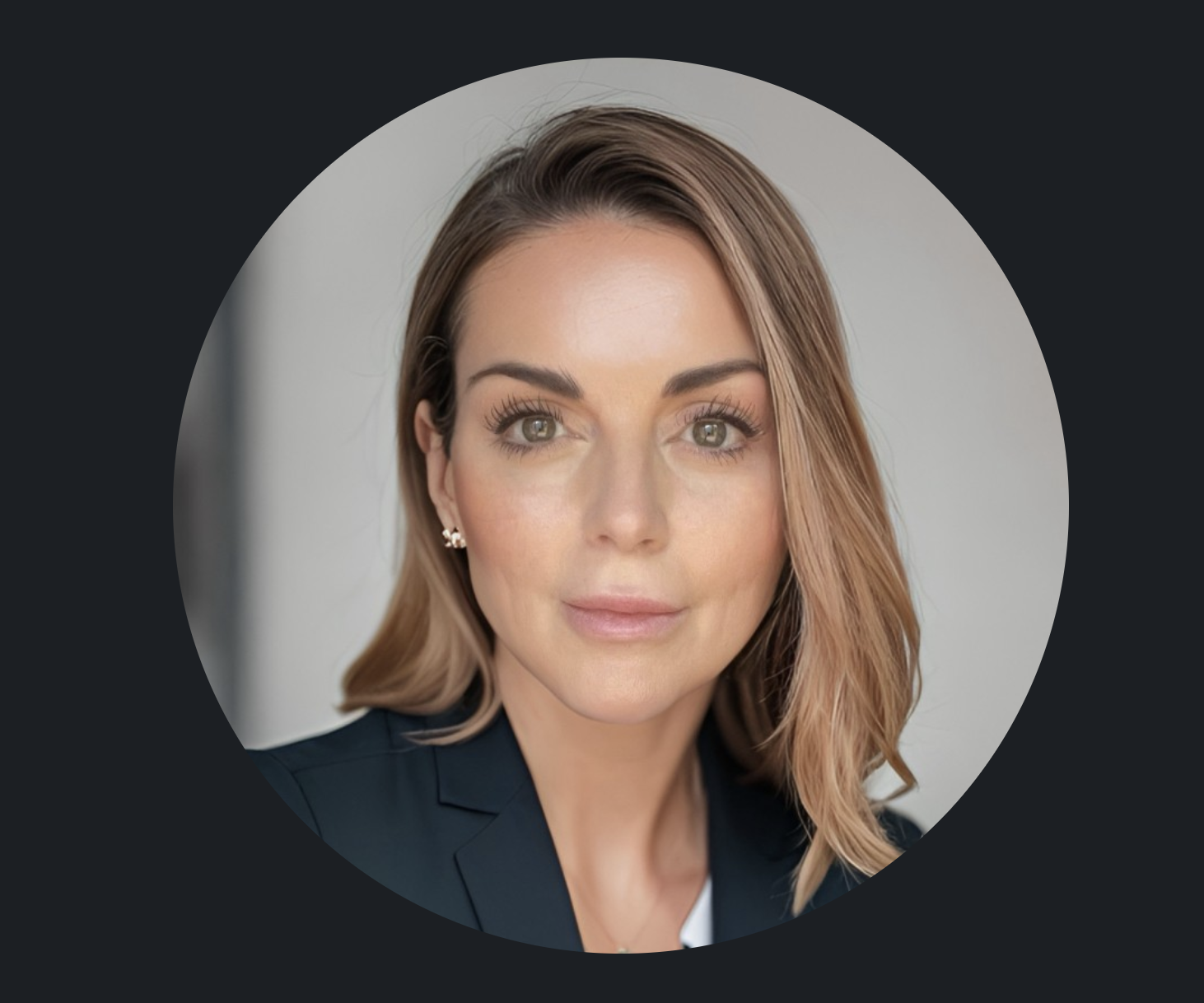
Tina Mulqueen
AI & Enterprise Transformation
Tina Mulqueen
SVP Digital Transformation, Burson
Leading enterprise AI adoption and workforce transformation strategy at Burson, one of the world's largest communications firms. Professor, writer, and connector with deep relationships across top research universities and academic institutions.
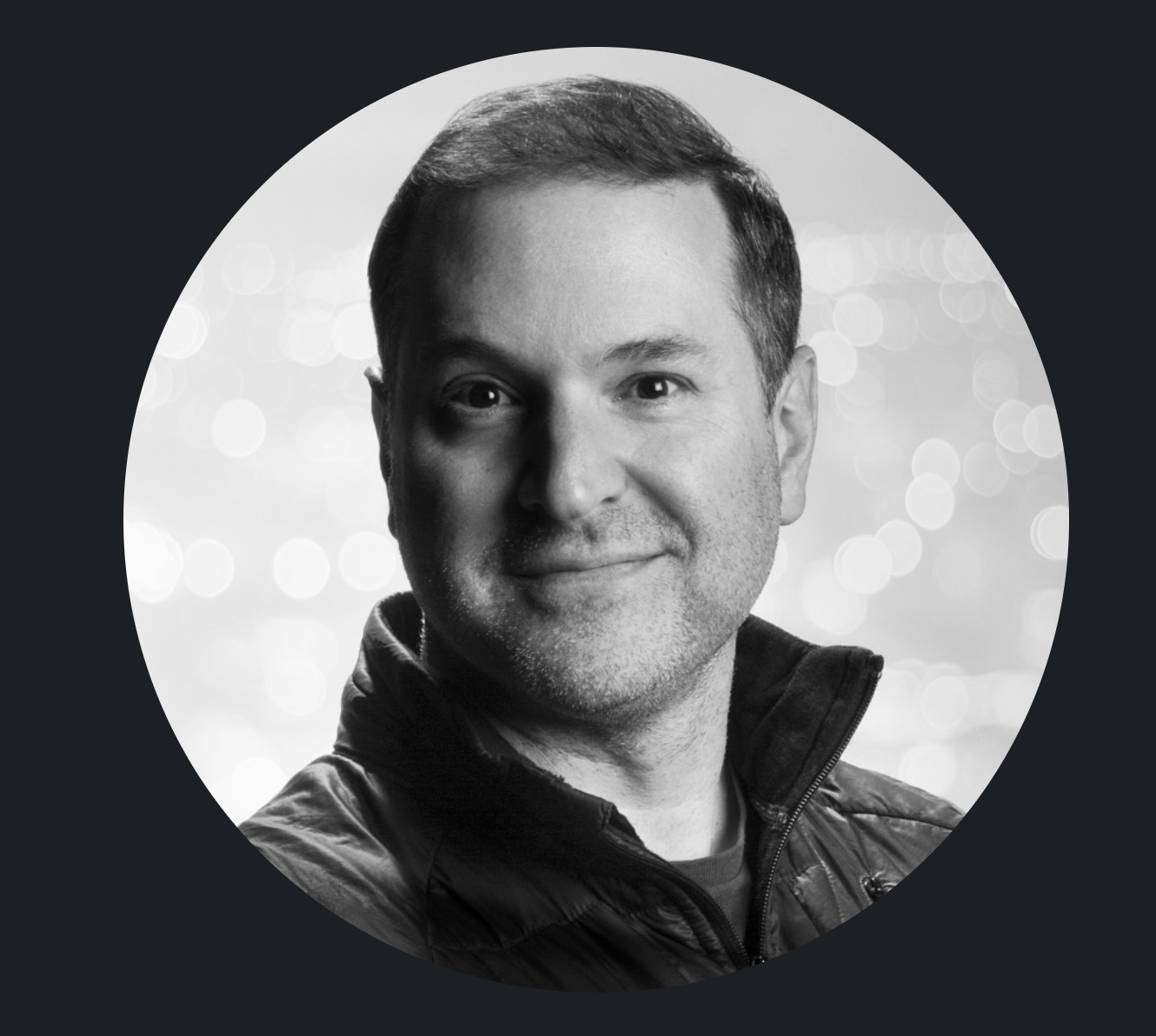
Matt Giambruno
Startups & Talent
Matt Giambruno
Recruiter & Startup Builder · 4 Exits
Four startup exits with experience at Apple, Tesla, Roku, Impossible Foods, and SpaceX. Expert in building the teams behind the world's most competitive companies.
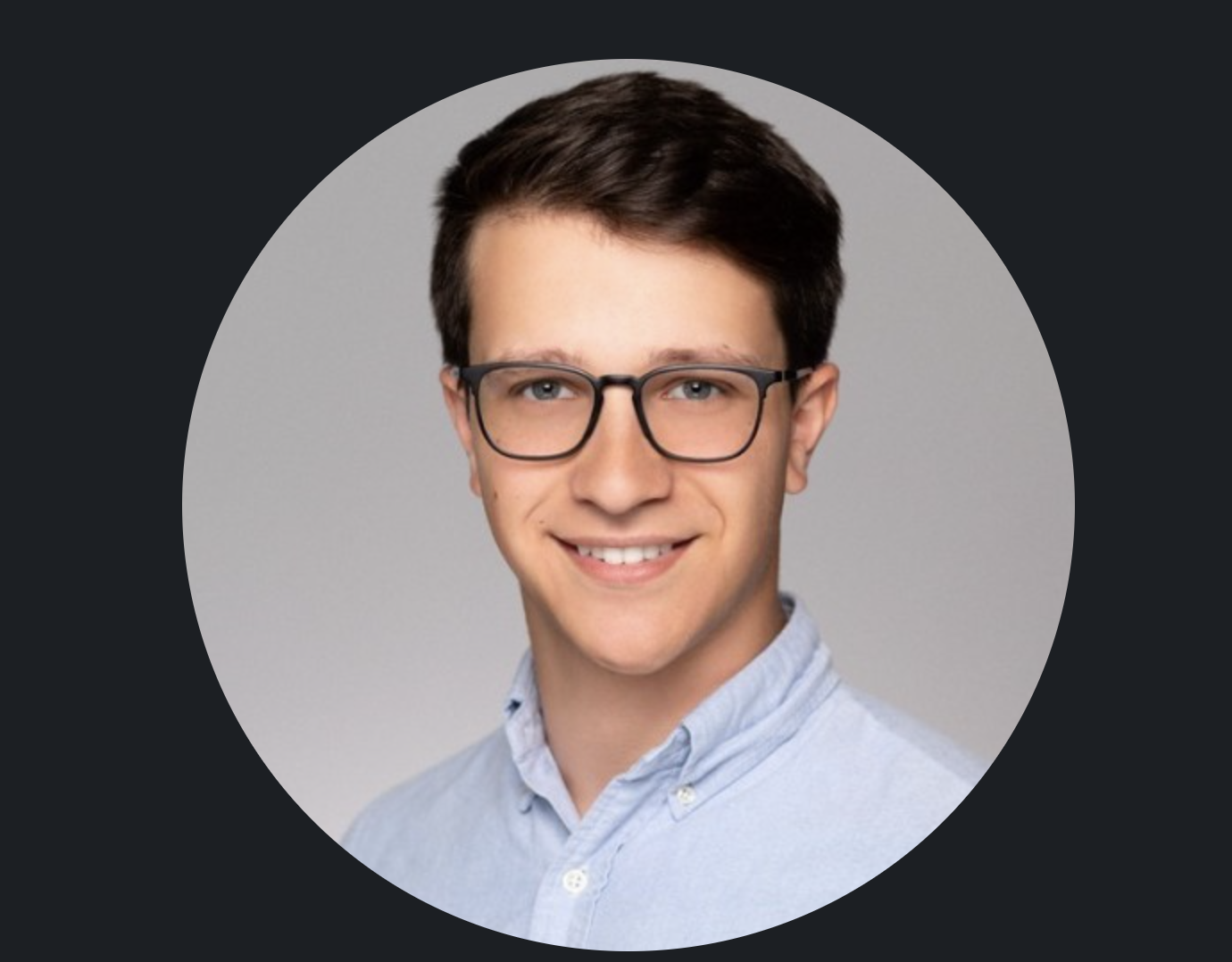
Ian Bambrick
M&A & Financial Advisory
Ian Bambrick
Authorized Manager, Fourth Ridge LLC
Authorized Manager of Fourth Ridge, a specialized financing advisory firm focused on the lower-middle and middle markets. Advises on M&A execution, corporate restructuring, and complex capital processes for mid-sized businesses and independent sponsors.
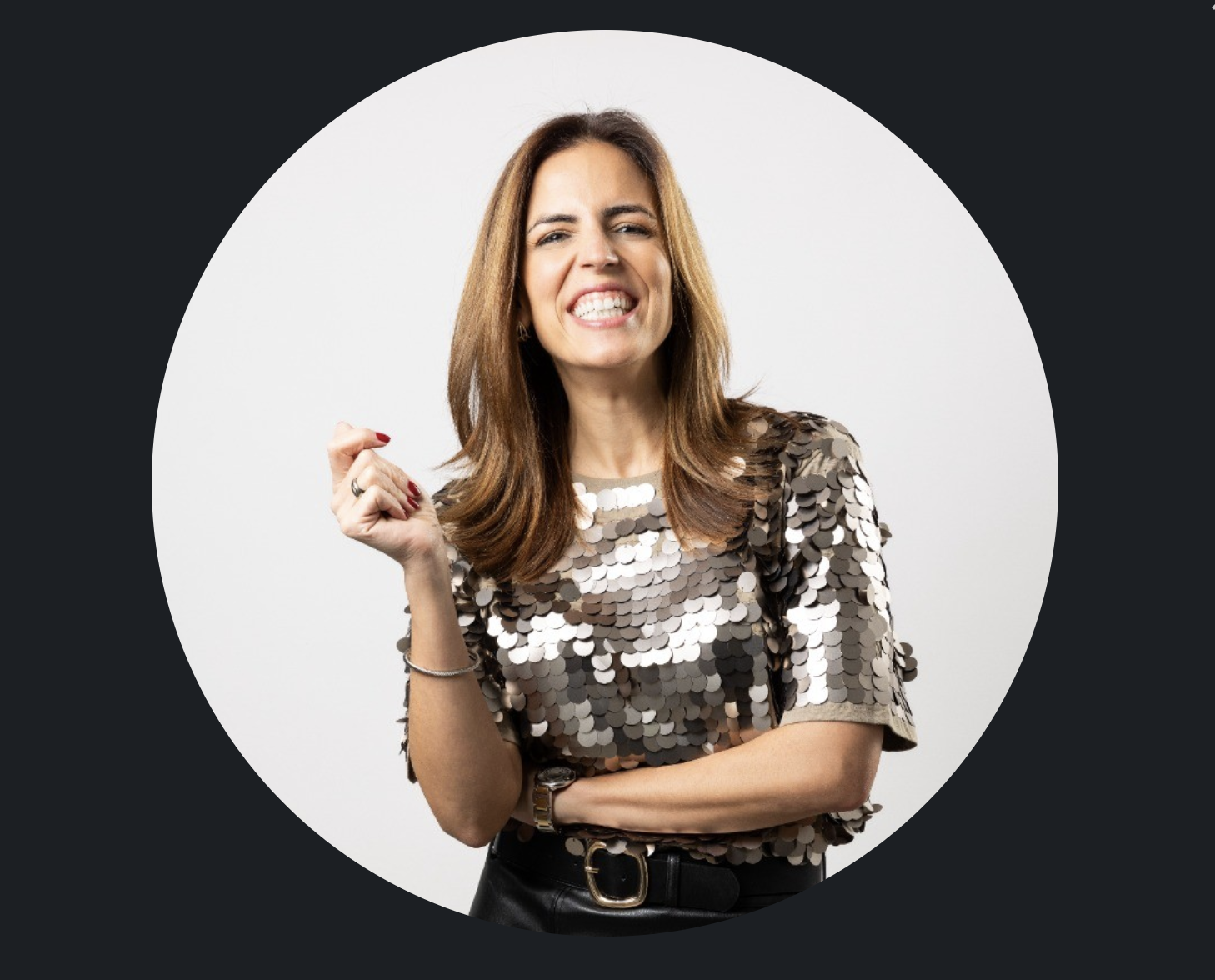
Alexandra Cabané
Leadership & Performance
Alexandra Cabané
Speaker, Leadership Coach & Former Finance Executive
Former Citibank Wealth Manager and Senior Investment Analyst at Losa Group family office. Now a leadership coach and speaker with 9,000+ sessions as a Platinum Partner Coach at Robbins Research International (Tony Robbins).
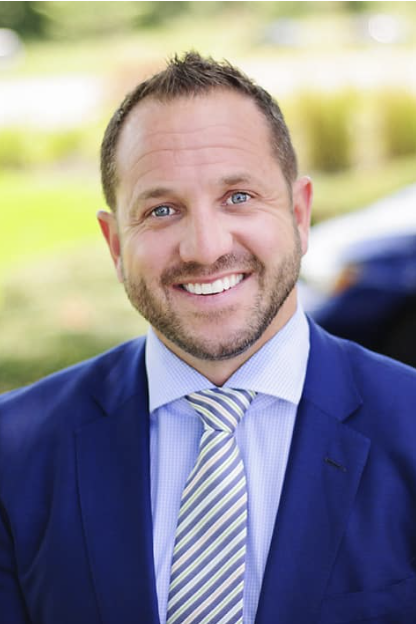
Ryan LaFontaine
Entrepreneurship & Philanthropy
Ryan LaFontaine
CEO, LaFontaine Automotive Group
CEO of one of Michigan's largest automotive empires. Youngest chairman in NAIAS history. Hodgkin's Lymphoma survivor and co-founder of the U CAN-CER VIVE Foundation. Started selling cars at 15 and built the #1 Pontiac dealership in the world by 2009.
Member Expectations & Code of Conduct
What is expected of every TIF member, and the standards the club holds itself to

TIF is a serious program. Membership is voluntary, but once a student joins, they are committing to a set of expectations that the club takes seriously. The Harkness method only works when every person at the table is prepared and engaged — one passive member undermines the experience for everyone else.

Attendance

Members are expected to attend every session. Occasional absences due to academic conflicts, illness, or school obligations are understood and may be communicated in advance to a TIF officer. Repeated unexcused absences will result in a conversation with club leadership and may result in removal from the program.

Preparation & Engagement

Members are expected to arrive ready to engage — not just to listen. For speaker sessions, members are expected to come with at least two prepared questions relevant to the speaker's field. Passive attendance is not acceptable.

Respect & Conduct

All members are expected to treat speakers, fellow members, and club leadership with full respect. Phones are to be silenced during sessions unless used for note-taking. The discussion table is a professional environment — it should be treated as such.

Membership Standards
Attendance Commitment
Members commit to attending all bi-weekly sessions and all speaker series sessions. Absences must be communicated in advance. Three or more unexcused absences within a semester will result in review by club leadership.
Active Participation
Every member is expected to contribute to the discussion in every session. The Harkness method requires active engagement. Members who are consistently passive will be asked to reflect on their commitment to the program.
Academic Standing
TIF expects members to maintain good academic standing at Colegio Interamericano. The club is designed to complement academic performance, not compete with it. Students in academic difficulty are encouraged to speak with club leadership.
Professional Conduct During Speaker Sessions
During speaker sessions, members represent both TIF and Colegio Interamericano. Professional conduct, active listening, and respectful engagement are non-negotiable.
Educational Value & Alignment
How TIF complements the school's academic mission and prepares students for university and beyond
Complementing the Academic Curriculum

TIF does not duplicate any existing course at Colegio Interamericano. It extends the academic experience into territory that standard coursework does not cover — professional-level financial analysis, capital markets, investment theory, and behavioral economics. Students in AP Economics, AP Microeconomics, or related courses will find that TIF deepens and contextualizes what they are learning in class.

University Preparation

Students who complete TIF's program will enter university with a meaningful head start over peers who have not had equivalent exposure. The content maps directly to introductory and intermediate university courses in finance, economics, and business — meaning TIF members will recognize frameworks, vocabulary, and analytical tools from day one.

The Harkness discussion format also builds skills that transfer directly to university seminars, case-method classes, and professional settings: the ability to articulate a position, question assumptions, and build on others' arguments under time pressure.

Professional Network Access

Perhaps more uniquely, TIF gives members direct access to working professionals they would otherwise never meet as high school students. The relationships formed during speaker sessions — and the credibility that comes from having engaged seriously with professionals at that level — are assets that extend well beyond the classroom.

Skills Developed
→
Financial literacy at a professional level
Not budgeting or basic savings — but how markets work, how capital is allocated, and how investment decisions are made by institutions managing hundreds of millions of dollars.
→
Analytical and critical thinking
The ability to evaluate a company, an investment thesis, or a market trend — and articulate a clear, supported view under discussion pressure.
→
Discussion and communication skills
Through the Harkness method, students develop the ability to engage in substantive professional discussion — contributing, challenging, and building on ideas in real time.
→
Professional exposure and context
Direct experience with how professionals across wealth management, private equity, corporate law, and entrepreneurship actually think and operate.
Club Policies
Formal policies for school administration, including speaker vetting, cost structure, and contacts
Cost Policy

TIF is entirely free for students. There is no membership fee, no materials fee, and no cost of any kind to students or to Colegio Interamericano. All speaker relationships are maintained by TIF leadership. Speakers participate voluntarily and are not compensated.

Speaker Vetting Policy

All speakers are personally vetted by TIF founder Gwynne Starrs prior to invitation. Vetting criteria include: demonstrated professional credibility in their field, relevance to the TIF curriculum, and the ability to engage constructively with high school students. School administration is welcome to review speaker profiles in advance of any session.

Space & Scheduling Policy

TIF requires a room with a central table configuration (consistent with Harkness-style discussion seating) on a bi-weekly basis during school hours. Scheduling will be coordinated directly with school administration and the assigned faculty advisor. TIF leadership takes responsibility for room setup, session materials, and cleanup.

Faculty Advisor

TIF welcomes the assignment of a faculty advisor by Colegio Interamericano administration. The faculty advisor will have full visibility into sessions, speaker engagements, and club operations. TIF leadership will maintain open and proactive communication with the advisor.

Intellectual Property

All TIF curriculum materials, session plans, case studies, and program documents are the intellectual property of The Investment Framework and its founder, Gwynne Starrs, as defined in the TIF Co-Founders Agreement. These materials are provided to Colegio Interamericano for informational purposes and are not to be reproduced or distributed without permission.

Contact
Founder & President Gwynne Starrs — gwynnestarrs@gmail.com
Club Website the-investment-framework.vercel.app/tif-club
Interest Form tally.so/r/OD2yv8
Gwynne Starrs
Founder & President, TIF
Faculty Advisor
Colegio Interamericano
School Administration
Colegio Interamericano
The Investment Framework
← TIF Club Main Site Apply Now →